


The immune system is a large network of organs, white blood cells, protein and chemicals that work together to protect our body from germs and other invaders. They all work together to keep us healthy. There are 2 types of immunity, the innate immunity and acquired immunity. Innate immunity is a protection you’re born with. It responds to invaders right away by attacking an organism that shouldn’t be in your body. Acquired immunity is a protection your body gains over time from exposure from germs. Certain white blood cells called lymphocytes remember specific invaders and can tell whether you belong to the body and if it doesn’t, it quickly eliminates it.
How does the immune system work specifically? The immune system is activated by antigens. Proteins on the surfaces of bacteria, fungi and viruses are the examples of antigens. When antigens attach to special receptors on the immune system cell, it triggers the body and when the body meets diseases causing germs for the first time, it stores information about the germs and how to fight it, and when it meets again, the body recognizes the germs and fights it faster. Our body’s own cells have proteins on their surface also. Those proteins don’t trigger the immune system to fight but sometimes, the immune system mistakenly thinks that the body’s own cell is foreign cells and attacks healthy, harmless cells in the body. This is known as autoimmune disease.
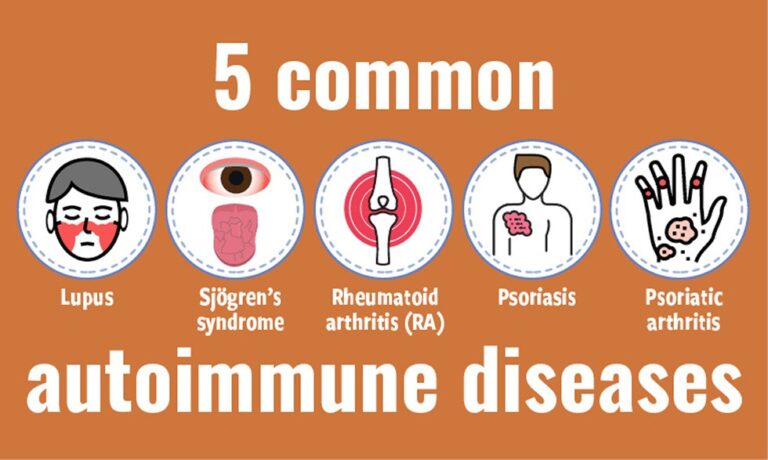
The autoimmune system occurs when our body mistakenly recognizes our own cell as a foreign cell and starts to attack our own healthy body. This occurs when our immune cells fail training and cannot properly tell if it is from our body or from outside. They start to think that normal cells are dangerous. These mistaken immune cells become activated and attack our own tissues, cause inflammation and release immune chemicals. Since our body is always present, the immune system keeps attacking our body and it causes tissue damage. Scientists at Johns Hopkins medicine, said that it occurs by several factors combining. Genetics, infection and environment. Some people might have higher risk of getting autoimmune disease by getting inherited, or infections can trigger our immune system to attack the germ and accidently attack our own body tissues and lastly, environmental issues like stress, hormones may contribute.
Then can we cure this autoimmune disease? Currently, autoimmune disease can not be completely cured but treatments have advanced to manage symptoms and maintain lives. Since the immune system in our body is making mistakes, there are no outside germs to remove so we have to control the immune system. So doctors usually manage the diseases instead of trying to completely remove it. The treatments aim to reduce immune attacks, lower inflammation, protect organs and prevent symptoms. Examples are steroids for reducing the pains and Immunosuppressants for calming the immune system from attacking.
As science and technology develops, medical technologies are also developing, helping people to be cured from diseases that we thought we could never cure. Autoimmune diseases are hard to cure because our body needs an immune system so we cannot get rid of it but control or fix the system. To do so, we have to know more about our immune system and with the development of AI , we can find the exact cause of it and analyze huge genetic data to figure out what causes it. We can even use AI to detect it much faster by giving them information to find out the patterns. In conclusion, autoimmune diseases remain difficult to cure right now but modern medical fields are advancing and soon we can hope to cure autoimmune disease.
By. Madison Yi
Works Cited
https://www.shebaonline.org/kn-base/can-autoimmune-disease-be-cured/
https://my.clevelandclinic.org/health/diseases/21624-autoimmune-diseases
https://www.ncbi.nlm.nih.gov/books/NBK279364/
https://pathology.jhu.edu/autoimmune/development
https://my.clevelandclinic.org/health/body/21196-immune-system