


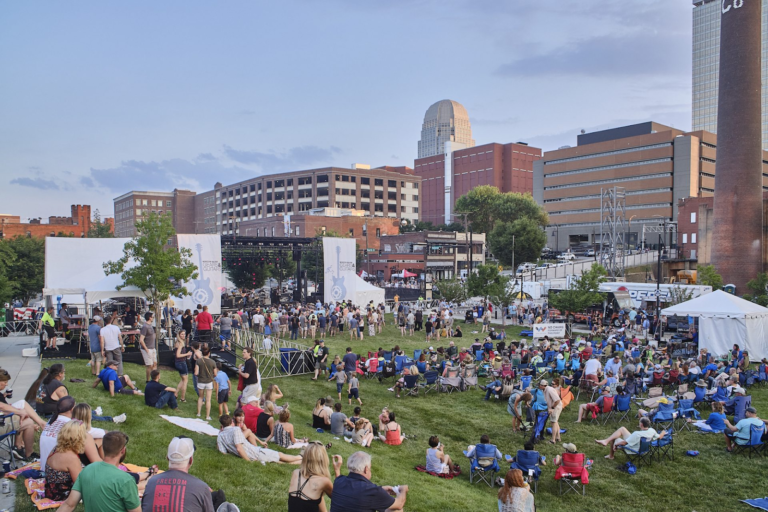
Have you ever noticed that places designed to bring people together may actually be encouraging them to stay apart? Public spaces—often referred to as “third places”—have traditionally served as environments where people gather, interact, and build social connections outside of home and work. However, despite their continued presence in modern society, meaningful social interaction within these spaces appears to be declining. Instead of fostering community, many individuals now use these environments primarily for personal purposes, avoiding engagement with others. This shift raises an important question: to what extent are public spaces losing their ability to promote meaningful interaction? From both social and economic perspectives, it is evident that commercialization, individualistic social norms, and spatial and technological changes are weakening the social function of these environments.
To understand this transformation, it is important to first define what public spaces—or “third places”—traditionally represent. These are informal, accessible environments such as parks, cafés, and streets where people can gather and interact freely. Historically, such places encouraged the development of “weak ties,” casual relationships that strengthen community bonds. Research has shown that spaces like coffee shops can foster familiarity and interaction among strangers, creating opportunities for meaningful encounters. Furthermore, social interaction in these environments is linked to positive health outcomes, including reduced stress and improved mental well-being. However, modern behaviors suggest that these benefits are becoming less common, as individuals increasingly prioritize personal activities over social engagement .
One major factor contributing to this shift is the growing commercialization of public spaces. Many environments that once served as open gathering areas are now structured around consumption. Cafes, shopping malls, and even urban parks increasingly function as semi-public spaces, where access is often tied to purchasing goods. While these spaces may appear accessible, subtle social expectations—such as the need to buy something—can discourage people from staying freely. As a result, individuals who do not participate in consumption may feel excluded. Additionally, the rise of advertisements and commercial influences in public environments shifts people’s roles from community members to consumers. This transformation not only reduces accessibility but also reinforces social inequality, as those with fewer financial resources may feel unwelcome or marginalized.
In addition to economic factors, individualistic social norms also play a significant role in reducing interaction. In modern society, people are often guided by unspoken rules that prioritize privacy and discourage engagement with strangers. One concept that explains this behavior is “civil inattention,” where individuals briefly acknowledge others but intentionally avoid interaction. While this behavior maintains personal boundaries, it also limits opportunities for connection. Psychological research suggests that people tend to overestimate the discomfort of interacting with strangers, fearing awkwardness or rejection. These fears, combined with social conditioning and safety concerns, discourage individuals from initiating conversations. Over time, this avoidance becomes normalized, reinforcing a culture of social distance even in shared spaces.
Finally, the design of modern public spaces and the widespread use of technology further limit interaction. Many contemporary environments are intentionally structured to support individual activities rather than group engagement. Single-person seating, private booths, and isolated workspaces allow individuals to coexist without interacting. At the same time, the increasing use of smartphones, laptops, and headphones creates additional barriers to communication. Technology often directs attention inward, reducing awareness of others and minimizing opportunities for spontaneous interaction. Together, these spatial and technological factors transform public spaces into areas of passive co-presence rather than active social engagement.
Although these trends present challenges, it is still possible to restore the social function of public spaces. One potential solution is to redesign environments in ways that encourage interaction. Features such as open seating arrangements, shared activity areas, and aesthetically pleasing designs can increase the likelihood of engagement. Studies suggest that when people feel comfortable and visually stimulated in a space, they are more likely to stay longer and interact with others. By intentionally shaping environments to promote connection, it may be possible to counteract the isolating effects of commercialization and individualism.
In conclusion, while public spaces continue to exist, their ability to foster meaningful social interaction is declining. Commercialization has transformed them into consumption-oriented environments, social norms discourage engagement with strangers, and modern design and technology promote isolation. As these factors combine, individuals gradually lose the habit of initiating interaction in shared spaces. Recognizing these changes is the first step toward reclaiming public spaces as places of genuine community and connection.
By. James Yoon