


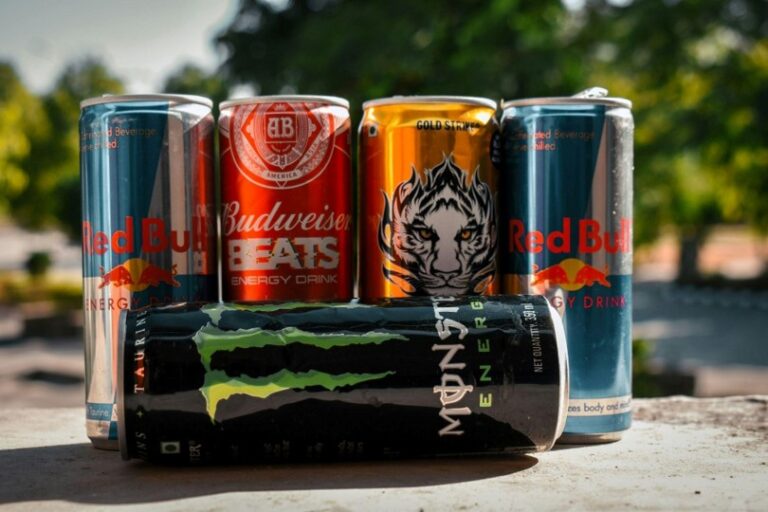
At a convenience store near the school on Tuesday evening, the refrigerator section that normally held energy drinks was nearly empty. By 9 p.m., only a few sugar-free cans remained as students stopped by after self-study sessions and academies.
As final term exams approach, energy drink consumption among teenagers appears to rise sharply. Many students say the drinks help them stay awake longer, concentrate during late-night studying, and manage exhaustion caused by packed academic schedules.
“I know they’re probably not healthy, but during exam week I honestly feel like I need them,” said one 10th-grade student who reported drinking two cans in a single night while preparing for science and math exams.
Another student said energy drinks have become “part of the test routine” rather than an occasional choice.
“Everyone around me drinks them during exams. It almost feels normal now,” the student said.
Health organizations, however, continue to warn adolescents about excessive caffeine consumption. The American Academy of Pediatrics states that energy drinks are not recommended for children and adolescents because of their high caffeine content and potential health risks.
Research has also linked frequent energy drink consumption among teenagers to shorter sleep duration and poorer sleep quality. A 2022 study on adolescents found that students who consumed caffeinated energy drinks more frequently were less likely to achieve recommended sleep levels.
Medical researchers additionally warn that excessive caffeine intake may contribute to anxiety, insomnia, increased heart rate, and elevated blood pressure in adolescents.
Despite these warnings, many students continue relying on energy drinks because exhaustion itself has become normalized during exam periods. In highly competitive academic environments, sacrificing sleep is often viewed as a sign of dedication and hard work.
“Sometimes sleeping feels like wasting time before exams,” one student admitted.
This trend reflects more than individual food choices. Ultra-processed convenience products such as energy drinks are designed to provide immediate stimulation and efficiency, matching the fast-paced schedules many students experience daily. Rather than solving exhaustion, they may be helping students temporarily adapt to unhealthy routines.
The growing popularity of energy drinks may therefore reveal a broader cultural issue. Students are not simply choosing caffeine; they are responding to an environment where productivity is often prioritized over rest and long-term health.
As exam season continues, the brightly colored cans lining convenience store shelves may represent more than just beverages. They reflect how academic pressure, sleep deprivation, and modern student culture have become deeply interconnected.
By. Chanhyuk Lee
References
American Academy of Pediatrics. “Sports Drinks and Energy Drinks for Children and Adolescents: Are They Appropriate?” Pediatrics, 2011.
American Academy of Pediatrics News. “Children should avoid drinks with sugar, caffeine.” 2023.
Centers for Disease Control and Prevention (CDC). “The Buzz on Energy Drinks.” 2024.
Tomanic, M. et al. “Energy Drinks and Sleep among Adolescents.” Children, 2022.
Kaldenbach, S. et al. “Sleep and Energy Drink Consumption among Norwegian Adolescents.” BMC Public Health, 2022.
Seifert, S. et al. “Health Effects of Energy Drinks on Children, Adolescents, and Young Adults.” Pediatrics, 2011.