


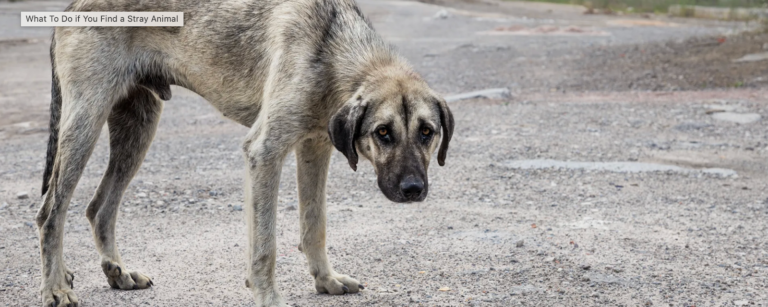
Imagine a world dominated by stray animals instead of humans. As pet ownership increases globally, particularly in Asia, the rate of pet abandonment is also rising. Lack of responsibility, insufficient information, and financial struggles contribute to this issue. These abandoned pets eventually become stray animals, causing serious problems that negatively affect human health, ecosystems, and economies. The consequences of these abandoned animals are critical on multiple levels.
Health Risks from Abandoned Animals
Abandoned animals often become strays, roaming in public spaces like streets and parks. Unlike domesticated pets, strays aren’t managed, leading to unsanitary conditions. For example, feces from stray animals can transmit zoonotic parasites, such as Toxocara canis, which cause diseases like blindness, especially in children (Langolis et al.). Moreover, strays are a serious physical threat, as they may attack humans out of fear or aggression. Rabies, a dangerous disease associated with stray animals, is fatal in up to 99% of cases (Taylor et al.). Stray animals also pose a threat to road safety. Their sudden appearance can cause accidents, particularly at night when visibility is low. Stray dogs, for example, are responsible for 69% of these accidents (Mohanty et al.). These health and safety risks highlight the dangers strays pose to human life.
Ecological Impact of Strays
Stray animals also severely disrupt ecosystems. Without human supervision, many of them act as “opportunistic predators,” preying on small mammals, birds, and other wildlife (Abdulkarim). This disrupts food webs and leads to the decline of native species. Additionally, some strays breed with wild animals, creating hybrid offspring that reduce genetic diversity. For instance, abandoned non-native pets like red-eared slider turtles may breed with native turtles, threatening the survival of local species (Göttert and Perry). This interbreeding and predation put the natural balance of ecosystems at risk, further harming biodiversity.
Economic Burden of Strays
The rise in stray animals also has significant economic consequences. The costs related to rabies alone are estimated at USD 8.6 billion annually, covering treatment, prevention, and lost productivity due to fatalities (Ćetković et al.). The government also bears a heavy financial burden in managing the stray population. Animal shelters, which are supposed to help, cost taxpayers millions. In Europe, animal charities spend nearly £340 million a year on strays, and government-funded shelters contribute another significant sum (Stavisky et al.). The total cost to care for abandoned animals in shelters in the U.S. is about $2 billion annually (Chen). Despite these efforts, many strays are euthanized due to overcrowding. This financial strain diverts public funds from other critical sectors, exacerbating the issue further.
Conclusion
Abandoned animals, though once beloved pets, create significant problems for public health, the environment, and the economy. Their increasing presence can lead to the spread of dangerous diseases, destabilize ecosystems, and place immense financial pressure on governments and taxpayers. The issue of abandoned pets is not a small problem—it is a growing global concern that demands attention and action. By addressing the root causes of pet abandonment and supporting animal shelters, society can reduce these harmful effects and promote better care for animals.
By. James Yoon
Works Cited
Abdulkarim, Abubakar, et al. “Stray Animal Population Control: Methods, Public Health Concern, Ethics, and Animal Welfare Issues.” World’s Veterinary Journal, vol.11, no.3, 25 Sep. 2021, pp. 319-326, https://dx.doi.org/10.54203/scil.2021.wvj44.
Ćetković, Jasmina, et al. “Financial and Socio-Economic Effects of Investment in the Context of Dog Population Management.” Animals, vol. 12, no. 22, 17 Nov. 2022, pp. 3176, https://doi.org/10.3390/ani12223176.
Chen, Griffin. “IA Engagement: The True Cost Behind Animal Shelters.” Inkwell, 18 Dec. 2022,
Göttert, Thomas, and Gad Perry. “Going Wild in the City—Animal Feralization and Its Impacts on Biodiversity in Urban Environments.” Animals, vol.13, no.4, MDPI, 19 Feb. 2023, https://doi.org/10.3390/ani13040747.
Langlois, Thibaut, et al. “Pet and Stray Dogs’ Contribution to Zoonotic Transmission Pathways: A Bibliometric Review.” Transboundary and Emerging Diseases, U.S. National Library of Medicine, 25 Aug. 2025, https://pmc.ncbi.nlm.nih.gov/articles/PMC12401604/?utm.
Mohanty, Chitta Ranjan, et al. “A Study of the Pattern of Injuries Sustained from Road Traffic Accidents Caused by Impact with Stray Animals.” Journal of Emergencies, Trauma, and Shock, vol.14, no.1, Jan.-Mar. 2021, pp. 23-27, https://journals.lww.com/onlinejets/fulltext/2021/14010/A_Study_of_the_Pattern_of_Injuries_Sustained_from.5.aspx
Stavisky, Jenny, et al. “Demographics and Economic Burden of Un-Owned Cats and Dogs in the UK: Results of a 2010 Census – BMC Veterinary Research.” SpringerLink, BioMed Central, 13 Sept. 2012, link.springer.com/article/10.1186/1746-6148-8-163?utm.
Taylor, Louise H., et al. “The Role of Dog Population Management in Rabies Elimination-A Review of Current Approaches and Future Opportunities.” Frontiers, Frontiers, edited by Alvarez Julio, 10 Jul. 2017, https://www.frontiersin.org/journals/veterinary-science/articles/10.3389/fvets.2017.00109/full.