


In times of our life, we may face many different emotions, including sadness and depression. Some people can shake off those feelings and move on, but others struggle and let those emotions interfere in their life. Study shows that nearly 1 in 7 people around the world live with mental illness. And as many people are living with social media, the amount of people living with mental illness is increasing rapidly.
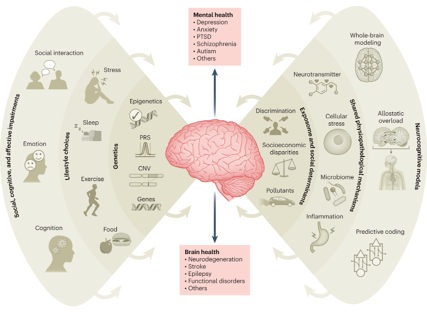
Mental illness can be defined as health conditions that change the person’s thinking, feeling or behavior and that causes the person distress or difficulty in functioning. But not all brain diseases are categorized as mental illness. Diseases such as Epilepsy, Parkinson’s disease are brain disorders, but they are considered neurological diseases rather than mental illness. The lines between mental illness and neurological disorder are blurring. So Scientists investigated the brains of people who have mental illness and found out that mental illness is associated with changes in brain structure, chemistry, and function.
How can mental illness affect our brain physically? It can disrupt the balance of brain chemicals and might shrink certain regions like the hippocampus, which affect memory and emotions. There are a lot of mental illnesses that affect our brain, but in this article, we will talk about 2 major mental illnesses, depression and bipolar disorder. Depression is one of the most common mental illnesses. It is more than just feeling down, but it can physically change your brain. Your brain shrinks. There is glowing evidence that people with depression lose the gray matter volume(GMV) which is a tissue with a lot of other brain cells. There are 4 major parts of the brain that shrinks due to depression. These are Hippocampus, which takes care of memory and emotion, Thalamus which transmits information from the cerebral cortex to the brain stem. Amygdala also regulates emotions and memory and Prefrontal cortices control cognitive functions by managing attention and impulse control. When a section of the brain shrinks, your ability to perform the functions associated with that particular section declines. For example, Amygdala and Prefrontal cortices(located behind the forehead, it controls action and thinking) work together to manage emotional responses and the recognition of emotional cues in other people.
Another mental illness which is Bipolar disorder( feeling happy and suddenly feeling down ) is also connected with brain functions and structure. Neurotransmitters, which are chemical messengers in the brain, play a crucial role in the development and regulation of bipolar disorder. Research suggests an imbalance in neurotransmitters such as serotonin. Dopamine, and norepinephrine contribute to the abnormal mood states seen in individuals with bipolar disorder. Studies using imaging techniques have revealed structural and functional abnormalities in the brains of individuals with bipolar disorder. These abnormalities are especially prominent in areas responsible for regulating emotions, such as the prefrontal cortex, amygdala and hippocampus which is similar to where depression affects it. Disruptions in these areas may explain impulsive and risky behaviors bipolar disorders have. Especially the amygdala can contribute to the intense emotional states experienced by individuals with bipolar disorder. Also the reason why bipolar disorder affects our decision and problem solving is also connected to our brain. Elevated mood, increased energy, and heightened self confidence and also have a profound effect on cognitive abilities. During these periods, individuals with bipolar disorder may experience difficulties with making decisions and problem solving because feelings have a major impact on making decisions and problem solving. Since patients with bipolar disorder have emotional instability, it might lead to having difficult times in relationships with people and maintaining stable employment.
Since SNS and AI became more usable these days, comparing yourself to others or having a hard time connecting to people are becoming more common. But what is important is that knowing how to pick yourself up when having a mental breakdown and looking for the right help is crucial. Our brain, which is the charge of the most body functions, turned out to be more deeply connected to mental illness. This suggests that we should take care of our mental health more. Also if you are in crisis call or text 1577-0199.
By. Madison Yi
Works cited
“Neuro Wellness”
Sara Wilson, “Anxiety and Depression” . published on healthline. November 1. 2023 https://www.healthline.com/health/depression-physical-effects-on-the-brain#effects-of-depression
Keri Wignton, “Physical effects of depression on the brain” webMD, august 24, 2024, Smitha Bhandari. https://www.webmd.com/depression/depression-physical-effects-brain
“ Ministry of health and welfare” , government. https://www.mohw.go.kr/